


It is known that for a long time, the utilization of phosphogypsum has been concentrated in low-value-added fields such as traditional building materials. The price of phosphogypsum powder used in the building materials industry in India is about 43-133 US dollars per ton, while in Egypt, the price of 80-200 mesh phosphogypsum powder used in gypsum boards, plastering and other building materials fields is 55-75 US dollars per ton, and the price of ordinary phosphogypsum powder in Vietnam is 52-70 US dollars per ton. How to extend to high-end material fields and increase product added value is the key to solving the problem of insufficient resource utilization of phosphogypsum.
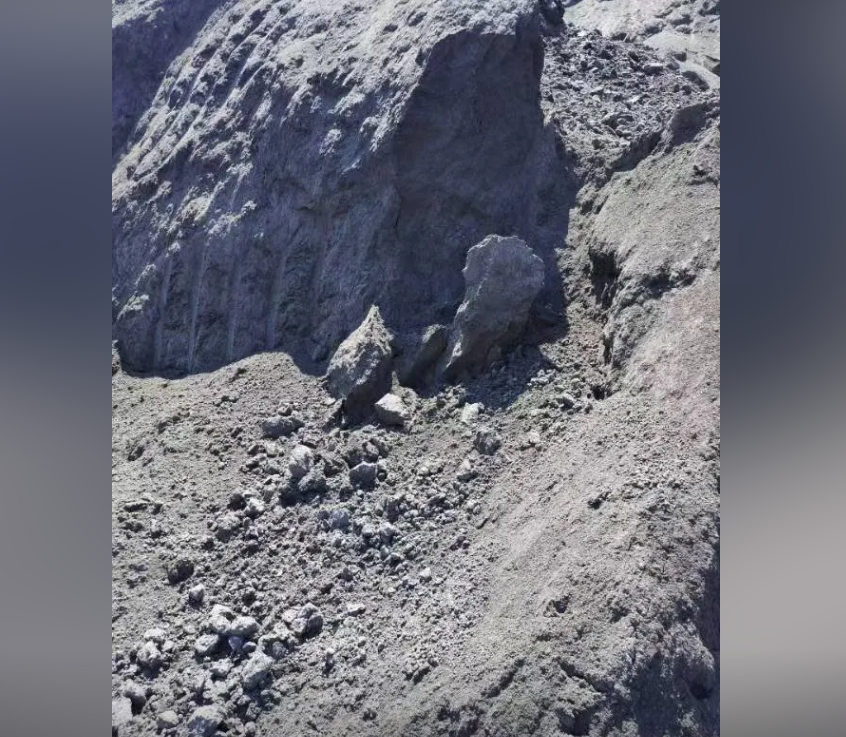
In 2025, a certain phosphate chemical group in Guizhou, China, achieved a major technological breakthrough in phosphogypsum utilization. Relying on the liquid-phase crystal transformation process developed in cooperation with universities, it successfully converted phosphogypsum into high-performance and low-cost high-quality anhydrite. This filled the technical gap in related fields in mainland China and opened up a new path for the value-added and large-scale utilization of phosphogypsum.
1.Advantages of producing high-quality anhydrite from phosphogypsum
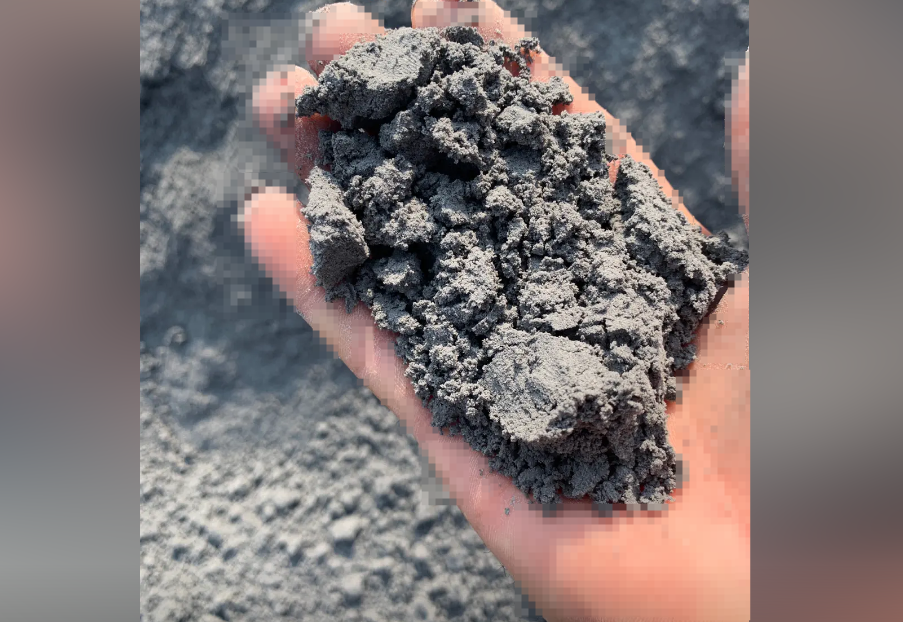
The high-quality anhydrite produced by a certain phosphate chemical group in Guizhou, China based on the liquid-phase crystal transformation process has the total phosphorus and total fluorine contents reduced to below 0.1%. This effectively solves the pain points of high impurity content and unstable performance of products produced by traditional processes. The product whiteness exceeds 90%, and the powder particle size is as fine as D90 about 1500 mesh. It has excellent physical and chemical properties, and meets the standards of high-end inorganic powder materials in terms of purity, whiteness, fineness and other key indicators. The liquid-phase crystal transformation process also has significant cost advantages. By simplifying the production process, reducing energy consumption level and improving raw material utilization rate, it can greatly reduce the production cost of high-quality anhydrite.
2.Technological process for producing high-quality anhydrite from phosphogypsum
2-1. Raw material pretreatment system: First, crush the raw phosphogypsum ore to ≤20mm by jaw crusher or impact crusher, then remove large impurities, unreacted phosphate ore and organic impurities through screening and impurity removal, and air separation can be equipped to remove light impurities. Then dry the crushed phosphogypsum ore by rotary dryer or air flow dryer, controlling the moisture content of the discharged material from 10-15% to 1-3%. Finally, adopt circular stockpile or strip stockpile homogenization to ensure the component fluctuation ≤±0.5%.
2-2. Grinding system:
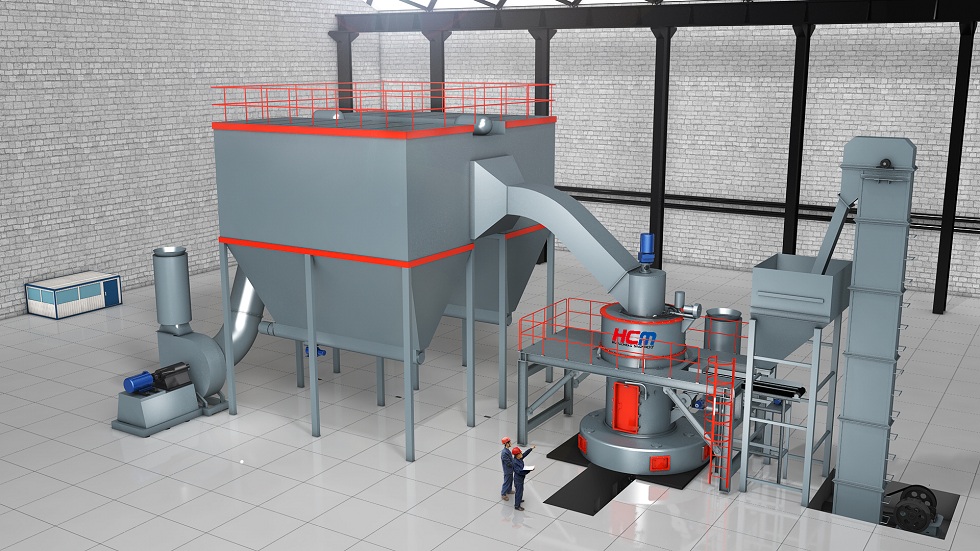
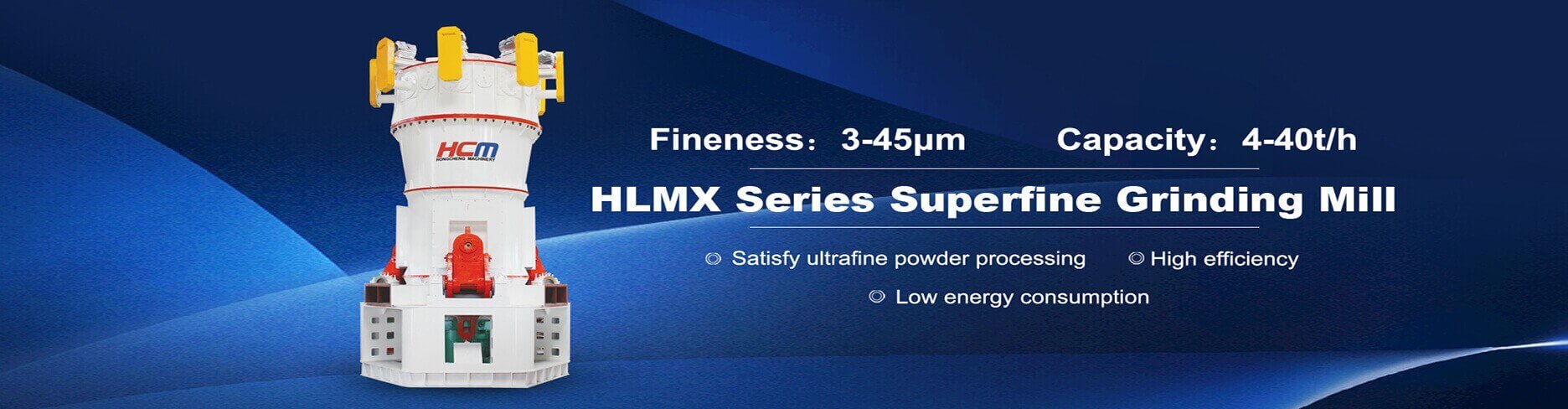
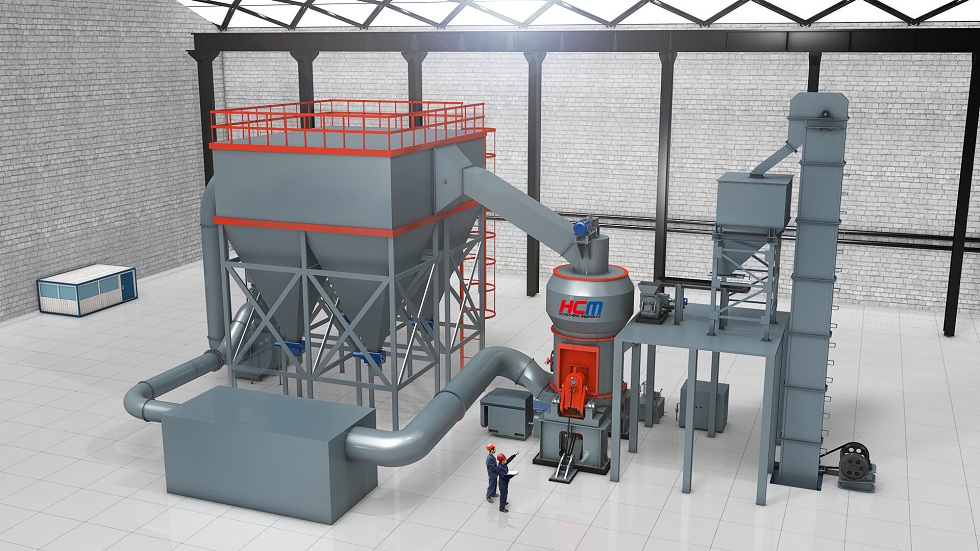
Purchase HCM grinding equipment - Raymond mill, vertical mill or ultra-fine vertical mill to grind phosphogypsum ore to 80-3000 mesh uniform fineness for producing high-quality anhydrite.
3.Calcination system (core technology)
The formation temperature of high-quality anhydrite (AIII) is 400-600℃. Three common process routes are available, and you can choose according to investment and product positioning:
Scheme 1: Rotary kiln calcination (the most mature and stable)
Process: Ground phosphogypsum → Rotary kiln (450-550℃) → Cooler → Product silo
Features: Large output (100-1000 t/d), stable product quality, moderate energy consumption, and can handle phosphogypsum with high impurity content.
Scheme 2: Fluidized bed furnace calcination (low energy consumption, suitable for small and medium capacity)
Process: Fine powder → Fluidized bed furnace (400-500℃) → Cyclone separator → Finished product
Features: High thermal efficiency, good product activity, suitable for 30-200 t/d capacity.
Cooling and aging
Adopt air cooler or water cooler to reduce the temperature of calcined materials from above 400℃ to ≤60℃. Age for 24 hours to stabilize the performance of anhydrite and avoid abnormal hydration expansion in the later stage.
4.Finished product processing system
Product silo (equipped with arch breaking device), automatic packaging machine (25kg/50kg/ton bag). If necessary, secondary grinding can be added to obtain higher fineness (such as 325 mesh).
5.Environmental protection system
Desulfurization and defluorination device (depending on raw material impurity content), bag filter (emission ≤10 mg/Nm³), and wastewater recycling system.
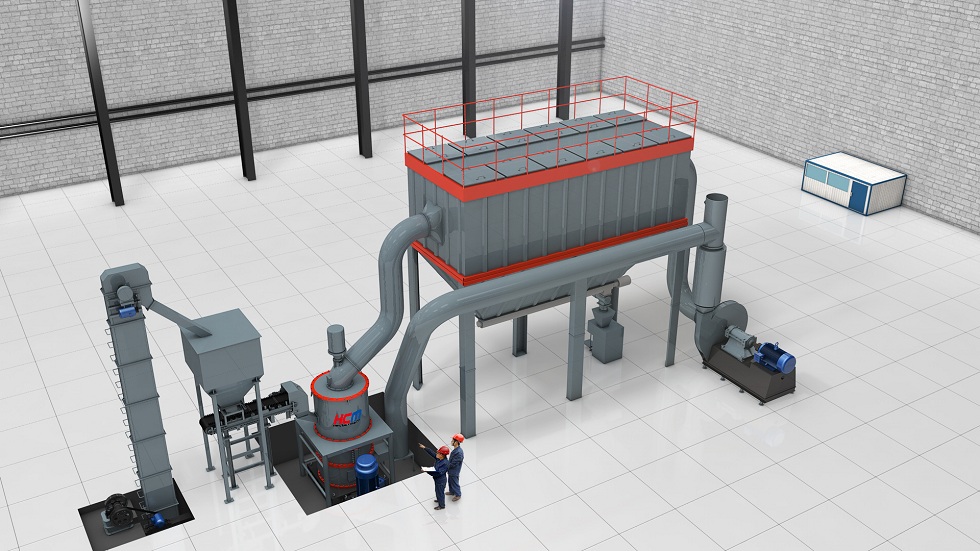 HCM Ring Roller Milling System
6.Final product indicators (high-quality anhydrite)
CaSO₄ content: ≥95%
Free water: ≤0.5%
Crystalline water: ≤1.0%
Whiteness: ≥85
Fineness: 80-325 mesh adjustable
Hydration activity: Meet the standards of self-leveling or gypsum board
P₂O₅, F⁻: Reduced to within the allowable range of building materials
For configuration plans of HCM phosphogypsum grinding systems or pricing inquiries, please feel free to contact us. contacts:Engineer Yao,e-mail:[email protected], Wechat:18878317068