


What is the ore grinding output of the HCM mini Raymond mill?
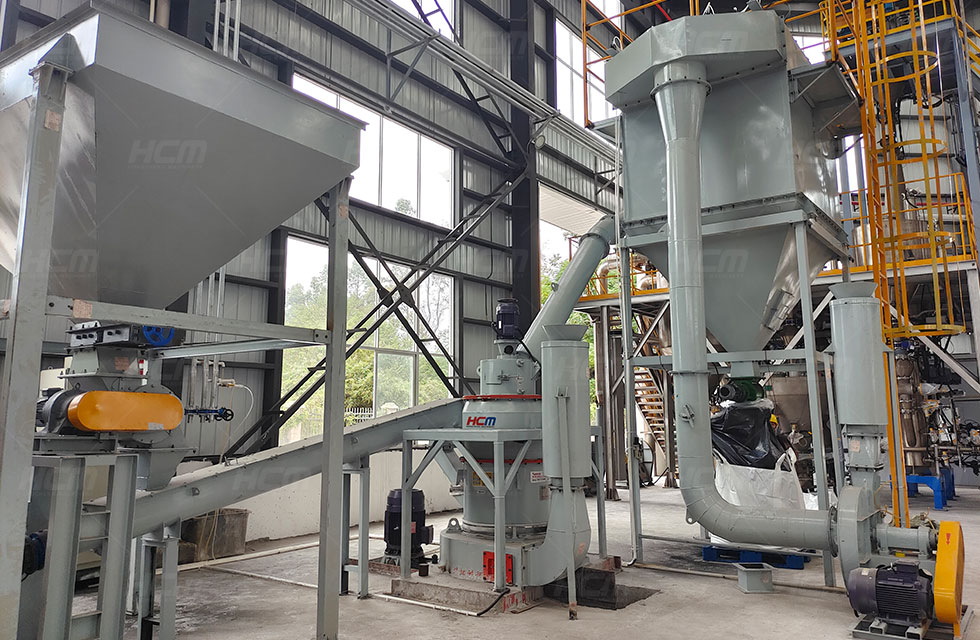
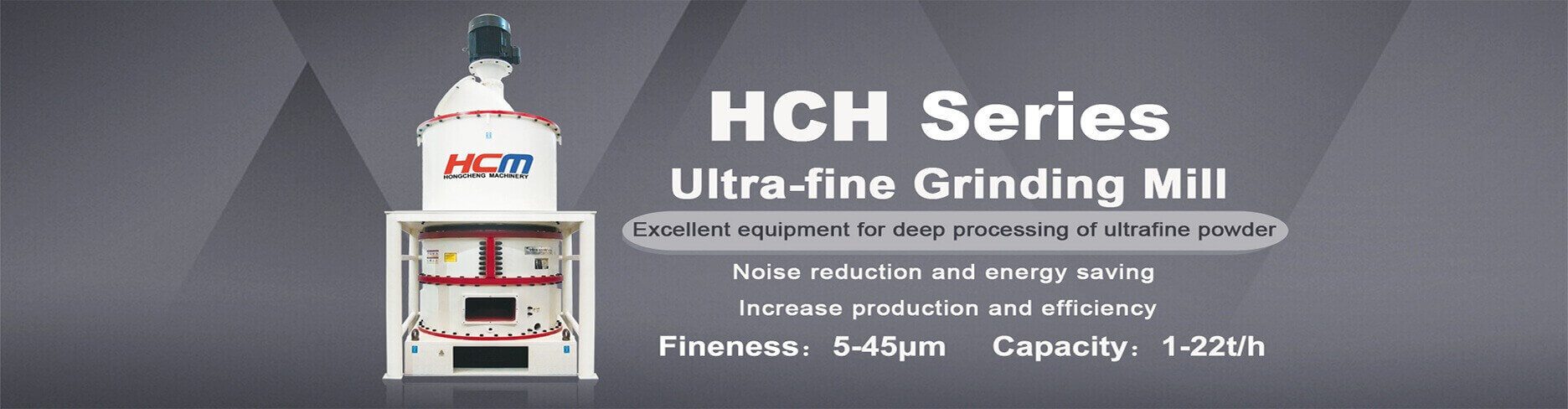
The smallest models of HCM Raymond mills are HC800 and HC1000. The HC800 small Raymond mill has 3 grinding rollers, the nominal diameter of the grinding ring is 800mm, the maximum feed particle size is ≤15mm, the grinding ore output is 0.3-3t/h, and the power of the whole machine is 49.5kw. The HC800 small Raymond mill grinds activated carbon to 45μm, with an hourly output of about 1.2 tons;
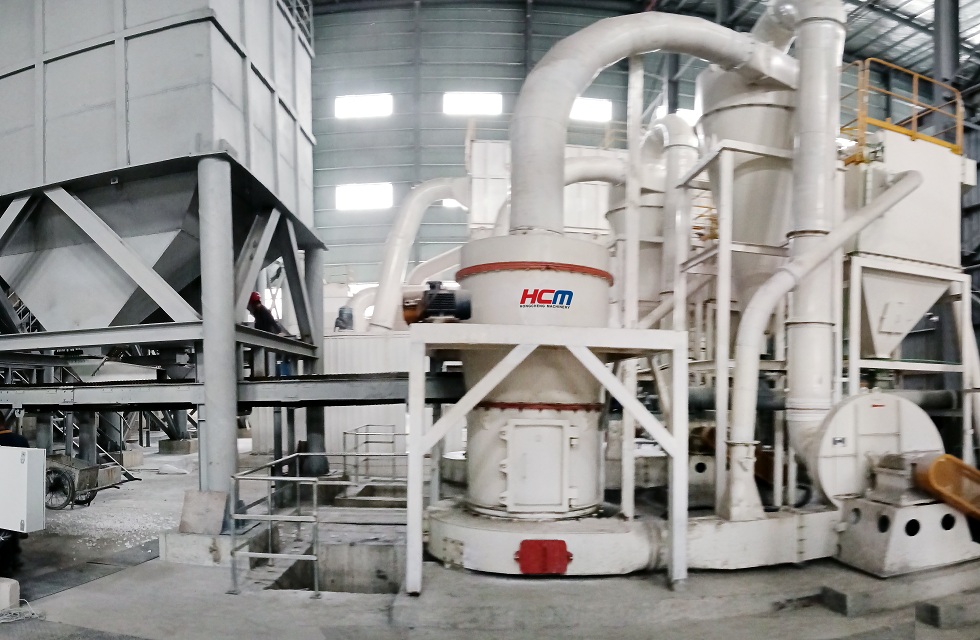
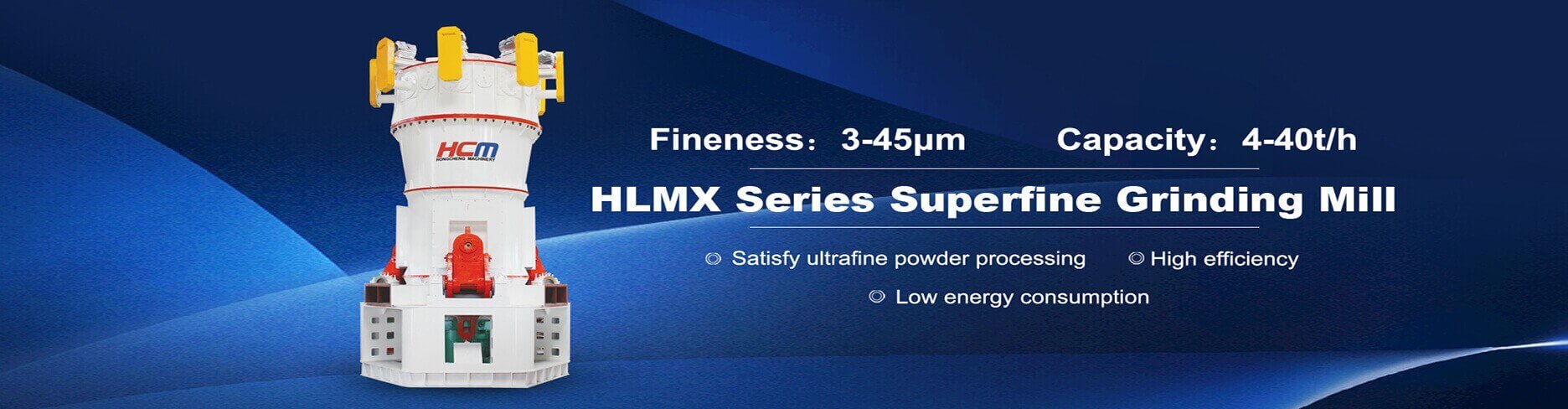
The HC1000 compact Raymond mill features 3/4 grinding rollers and a 1000mm nominal diameter grinding ring, with a maximum feed particle size of ≤20μm. It delivers a grinding output of 1-5t/h and operates at 101kW. The HCM compact Raymond mill HC1000 can grind coal to 150μm (3t/h), bentonite ore to 74μm (3t/h), and lime to 150μm (6.5t/h).
1. What are the key factors affecting Raymond mills?
As the core equipment for processing industrial minerals (e.g., barite, limestone, desulfurization slag), the Raymond mill's operational efficiency, product quality (including particle size uniformity and fineness compliance rate), and service life directly impact production costs and market competitiveness. In industrial mineral processing scenarios—particularly those requiring fine-grained and large-scale production—the key factors affecting Raymond mills fall into four categories: raw material characteristics, equipment structure and parameters, operation and maintenance, and process integration. Among these, the core configuration of the Raymond mill's equipment structure and parameters plays a decisive role in determining production capacity and product precision.
The structural design and operational parameters of Raymond mills directly determine grinding efficiency, requiring targeted adjustments based on specific product specifications (e.g., mesh size and particle size distribution).
1、Design of core components
01. Grinding rollers and grinding rings:
Material: Typically made of high-chromium alloy (Cr20-Cr25), wear-resistant cast iron, or ceramic-coated materials. The higher the material hardness, the greater the wear resistance (for example, ceramic-coated grinding rollers last 30%-50% longer than standard alloys). Structure: The number of grinding rollers (typically 3-5), along with the diameter and height of the grinding rings, directly affects the grinding contact area (for instance, a 4-roll Raymond mill achieves 20%-30% higher production capacity than a 3-roll one).
02. Analyzer (Grader):
Function: Regulates product fineness (typically 80-325 mesh, with ultra-fine models capable of 2500 mesh). Higher rotational speeds enhance classification precision and product fineness (e.g., 2000 mesh ultra-fine powder at 1500 rpm). Types: Traditional impeller classifier (suitable for ≤1250 mesh) and high-efficiency turbine classifier (suitable for ≤2500 mesh), selection based on target fineness.
03. Fans and air ducts:
Fan airflow: It determines both powder conveying efficiency and grinding chamber negative pressure (typically maintained at-5kPa to-10kPa). While adequate airflow prevents clogging, excessive flow may cause fine powder loss. Duct diameter and sealing: Insufficiently wide ducts or leaks reduce airflow velocity, causing powder accumulation. The duct diameter must match production capacity (e.g., ≥300mm for 100,000-ton/year production lines).
2、Adjust the operation parameters:
01. Spindle speed: The linear velocity of the grinding roller rotating with the spindle (typically 10-15 m/s). Higher speeds increase grinding impact force, making it suitable for harder materials, but require matching motor power to prevent overload.
02. Feed rate: It should match the capacity of the equipment (for example, the capacity of R type 4R3216 Raymond mill is 1-3t/h, the feed rate should be controlled in 1.2-3.5t/h). Too much feed will easily lead to the grinding chamber blockage and motor overload; too little feed will cause the grinding roller to idle, increase wear and energy consumption.
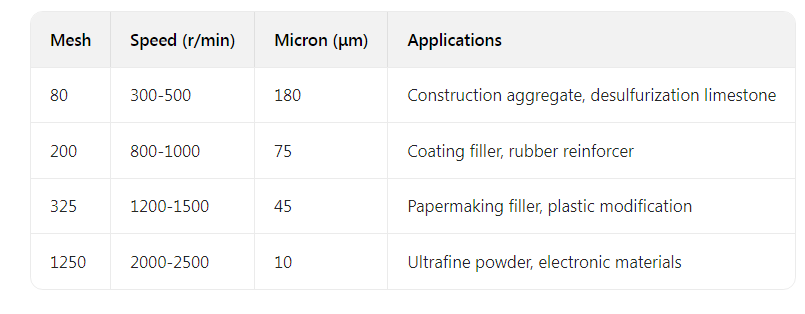
03. Grinder speed: A key parameter directly corresponding to the product mesh size (examples as follows):
3、Sealing and Stability of Equipment
01、 Grinding chamber seal: Loose seals (e.g., worn roller shaft sleeves or inlet seals) may cause dust leakage and allow external air to breach the chamber's negative pressure, impairing powder conveying efficiency. Regular replacement of seals (e.g., fluororubber gaskets or graphite packing) is required.
02. Equipment Installation: Loose foundation fixation or misalignment between the spindle and motor may cause operational vibration (allowed ≤0.15mm), accelerating component wear. Professional calibration tools (e.g., laser alignment instruments) must be used to ensure installation precision.
For HCM Raymond mill output, grinding machine configuration plans, and technical specifications, please contact us: e-mail:[email protected], WeChat: 18878317068
