


What is the application of 74μm lignite powder produced by HCM pulverizers?
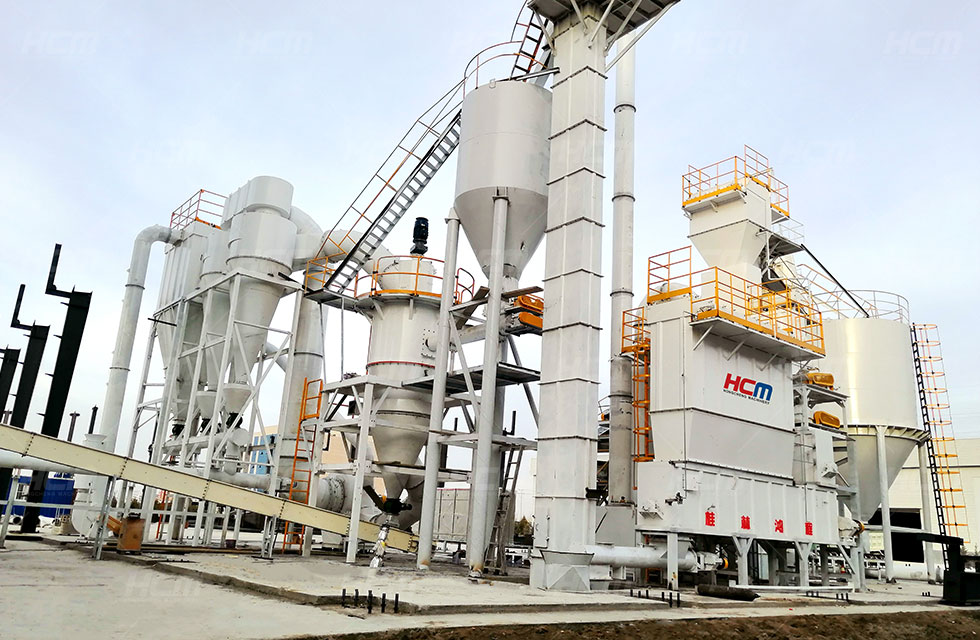
The HCM mill's 74μm lignite powder project has recently commenced operations. Utilizing the HC series 1700 Raymond mill developed by HCM Mill, this lignite grinding process achieves 74μm fineness with a 15t/h output. The resulting 74μm lignite powder, characterized by its fine particle size and high reactivity, is compatible with multiple industries requiring precise material fineness, including:
1、Power industry: This material can be directly blended into power plant boilers. Its fine particle size increases oxygen contact area, improves combustion efficiency, reduces unburned coal residue, and decreases boiler wear. It meets the requirements of environmental protection and efficiency enhancement in power plants;
2、Coal chemical industry: It is suitable as the raw material of gasification. Ultrafine coal powder can accelerate the reaction rate with gasification agent, produce synthesis gas efficiently, and then be used to produce methanol, olefin and other chemical raw materials, reducing the energy consumption and operation cost of the reaction device;
3. Building materials industry: It can be used as ultra-fine fuel for cement kilns, ensuring more complete combustion and precise temperature control to guarantee cement clinker quality. Additionally, it serves as an auxiliary material in ceramic particle sintering, participating in the molding and sintering processes to reduce fuel costs in building materials production;
4. Environmental Protection Industry: After modification, it can be processed into adsorbent materials. The fine particle size provides a large specific surface area, enabling efficient adsorption of heavy metal ions and organic compounds in wastewater, or remediation of contaminated soil. This meets the high-performance requirements for adsorbent materials in environmental protection applications。
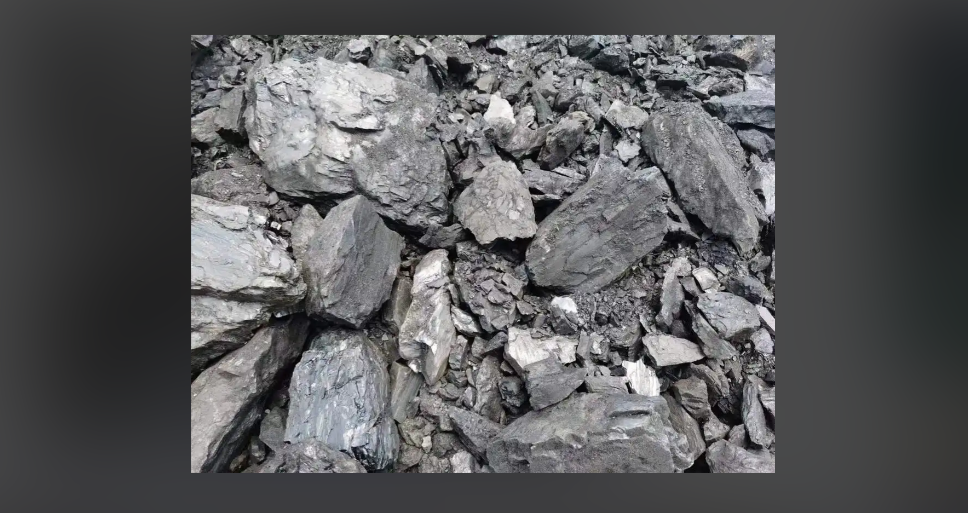
Furthermore, lignite's high volatile content imposes specific requirements on coal particle size and technical specifications across key industries like power generation, chemical processing, and construction materials. These parameters are critical for aligning with industrial production processes, ensuring product quality, and maintaining operational efficiency. The following details the specific requirements:
1、Power industry: The lignite powder in this sector is primarily used for combustion in power plant boilers and circulating fluidized bed boilers, with the key focus on balancing combustion efficiency and pulverization energy consumption. The specific requirements for particle size and technical specifications are as follows:
01. Particle size specifications: Industry standards recommend 18%-25% R90 (90 μm residual), ≤2.5% R200 (200 μm residual), and 50%-60% R50 (50 μm residual). For pit-mouth power plants and circulating fluidized bed boilers, pulverized coal typically requires 80-200 mesh (≈74-180 μm) grinding to meet combustion requirements;
02. Other key specifications: The volatile matter content must exceed 42% to ensure flammability; moisture content should be maintained within a reasonable range to avoid compromising combustion efficiency; total sulfur content requires strict control to reduce desulfurization costs, with some power plants mandating ≤0.5%; the received basis calorific value should generally be>3200kcal/kg to ensure stable heat output from boilers.
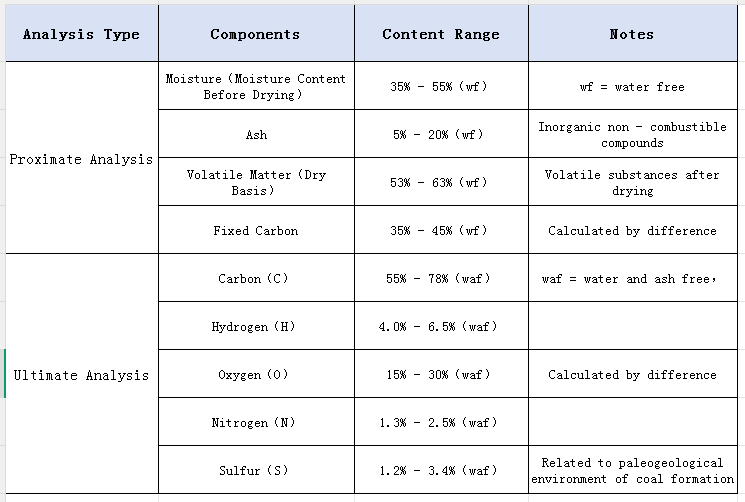
2、In the building materials industry, lignite powder is commonly used as fuel for cement rotary kilns and other equipment, and occasionally as an auxiliary material for products like ceramic beads. The specifications are designed to ensure stable kiln temperatures and product quality:
01. Particle size requirements: The maximum particle size of lignite used in cement rotary kilns should be ≤60mm, with the proportion of particles sized 40-60mm not exceeding 10% per ton. When used as ultra-fine fuel for precise temperature control, it requires grinding to an even finer particle size, typically meeting a fineness standard of around 200 mesh to ensure complete combustio;
02. Other key specifications: Low-calorific value ≥3500 kcal to meet kiln's high-temperature requirements; Total moisture ≤20% to prevent temperature fluctuations; Volatile matter ≥35% for stable ignition and combustion; Ash content ≤20% to avoid impurities compromising clinker strength and excessive ash residue affecting production.
Industry reports indicate that the global lignite market is projected to reach $144.2 billion by 2025, with annual compound growth of 10.5% to grow to $354.9 billion by 2034. In 2024, global lignite production stood at approximately 3.5 billion tons, with the United States and Russia accounting for 22% and 18% of the market share respectively. Demand growth is primarily driven by emerging economies in Asia, and the International Coal Association forecasts global lignite demand will reach 3.8 billion tons per year by 2030.
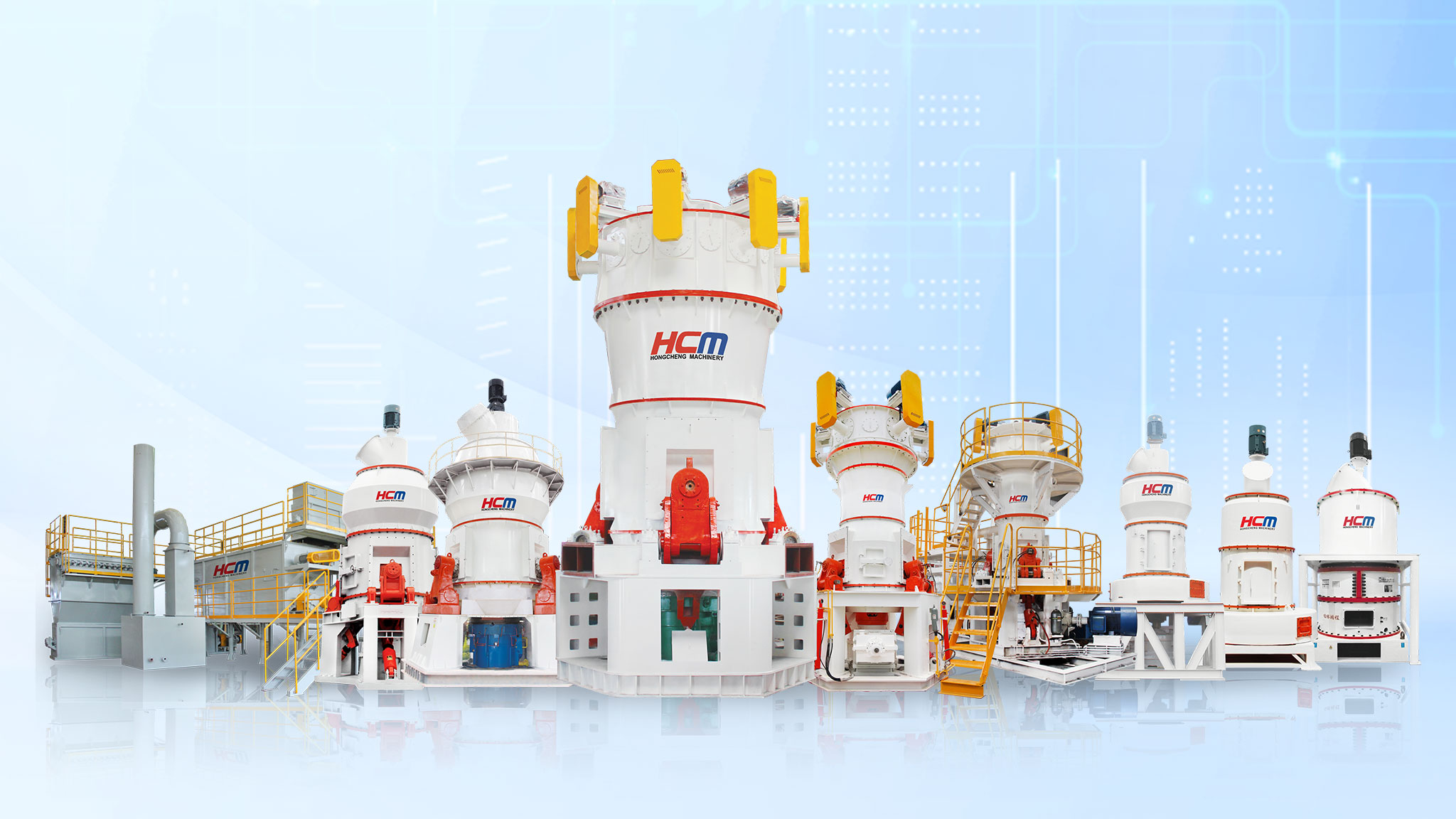
With the sustained growth in lignite demand, HCM Milling Machinery Factory's lignite grinding projects are expected to expand accordingly. The factory specializes in developing HC series Raymond mills, HLM series vertical mills, HLMX series ultra-fine vertical mills, and HCH series ring roller mills, capable of processing lignite and other non-metallic ores, slag, and solid waste with Mohs hardness below 7 into fine powders ranging from 80 to 3000 mesh. HCM mills have production capacities from 1 ton to several dozen tons. Customized production line equipment can be designed based on specific requirements. For pricing inquiries, please contact: e-mail:[email protected], WeChat: 18878317068
