
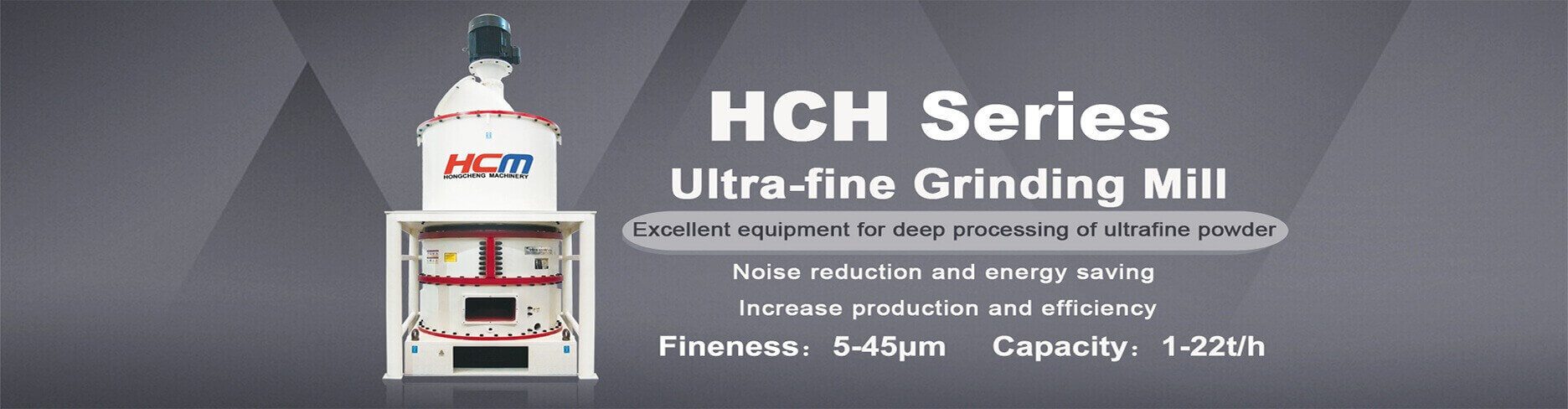

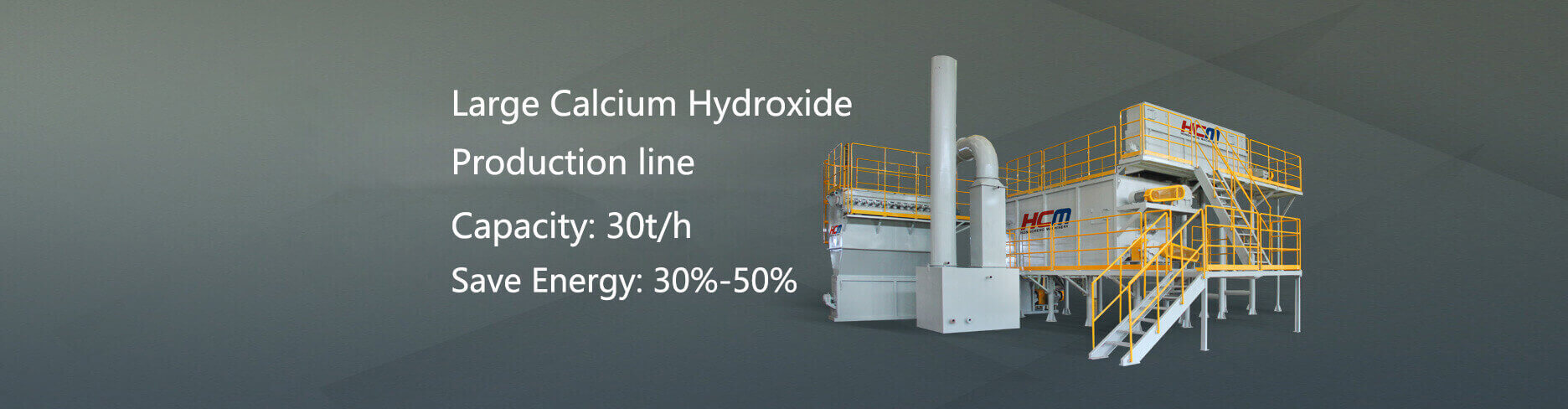
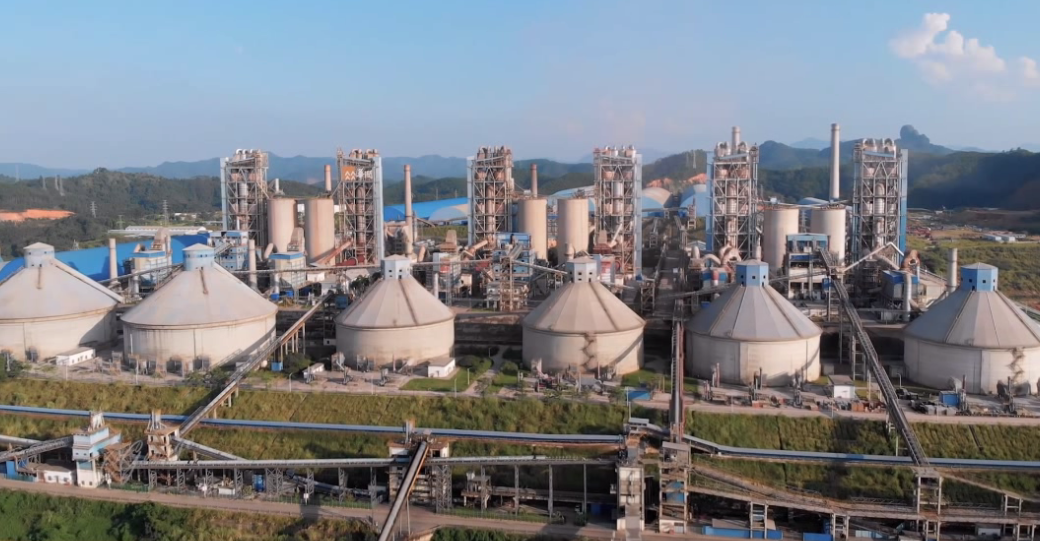
HCM Grinding Mill has successfully implemented a 660,000 t/a cement production project utilizing co-processing grinding mills for solid waste. The project includes: 500,000 t/a cement kiln co-processing of solid waste replacing 366,000 t/a conventional raw materials, and 160,000 t/a cement grinding station using solid waste to substitute 160,000 t/a conventional blended materials. Post-implementation, the clinker production line reduced conventional raw material consumption by 366,000 t/a. The 500,000 t/a general solid waste disposal volume creates a 136,000 t/a difference, primarily due to the 21.87% average moisture content in the solid waste (108,000 t/a higher than the 0.2% average moisture in conventional raw materials). Additionally, the solid waste contains higher organic matter content and greater loss during firing compared to conventional raw materials. In cement plant solid waste utilization processes, HCM Grinding Mill can dry-process solid waste into 80-3000 mesh fine powder for cement production, enabling efficient recycling of solid waste for cement enterprises.
1.What are the solid wastes processed by cement kilns in cement plants?
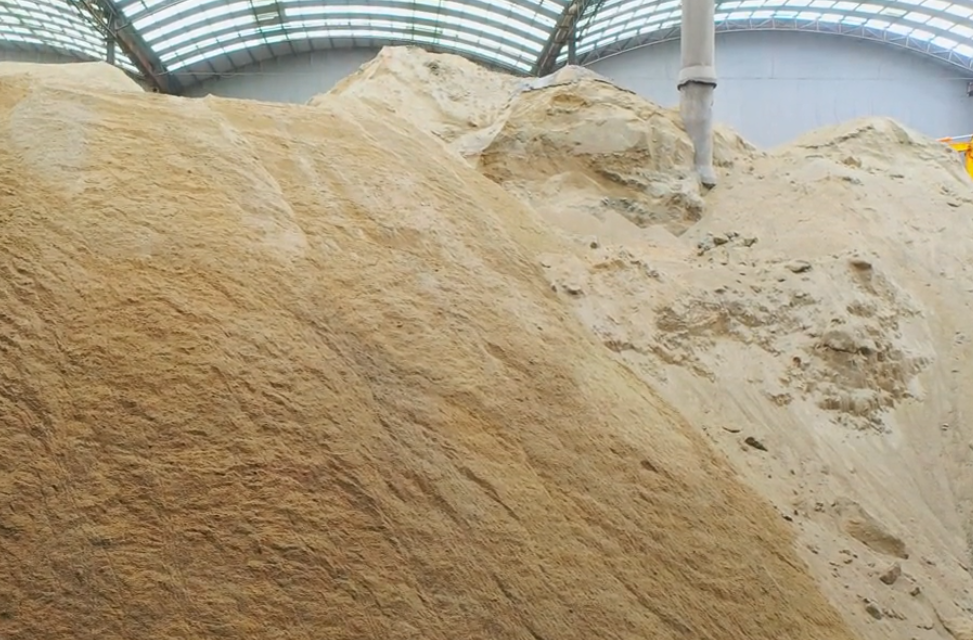
The cement kiln processes the following solid wastes: 100,000 tons of sand washing sludge from wastewater treatment in sand washing operations; 50,000 tons of sludge from urban sewage treatment plants that do not receive industrial wastewater; 100,000 tons of coal combustion slag; 150,000 tons of copper slag from copper smelting tailings; and 100,000 tons of fluorite tailings from fluorite ore processing. The total amount reaches 500,000 tons.
2.What are the solid wastes from the comprehensive utilization of cement mill grinding station?
The comprehensive utilization of solid waste at the grinding station includes: 50,000 tons of coal combustion slag, 80,000 tons of titanium gypsum (produced during titanium dioxide manufacturing using sulfuric acid process, where lime or calcium carbide slag is added to neutralize acidic wastewater), and 30,000 tons of phosphogypsum (formed during wet-process phosphoric acid production using sulfuric acid treatment of phosphate rock, primarily composed of calcium sulfate in solid form with initial black color). The total solid waste from cement plant grinding stations amounts to 160,000 tons.
3.What is the process flow of using cement kiln to treat sludge,slag,copper slag and fluorite tailings in cement plant?
3-1. Raw Material Reception and Pre-treatment:
Sludge: Dehydrate to a moisture content below approximately 60%, and if necessary, dry or granulate.
Slag and copper slag: crushed and screened to remove large metal fragments or impurities.
Fluorite tailings: natural drying or mechanical dehydration, with controlled moisture and particle size.
3-2. Storage and Mixing
Solid waste is classified and stored according to its composition, calorific value, and moisture content. In accordance with the process requirements of the cement kiln, the central control system proportionally mixes the materials to ensure stable composition of the feedstock entering the kiln.
Sludge: can be further dried to a moisture content below 20%, or directly pumped into the kiln tail decomposer.
Slag and copper slag: After being crushed, they are fed into a grinding system (e.g., HCM mill) to achieve the desired fineness.
Fluoritetailings: typically fed directly into the raw material mill or green charge preparation system.
3-3. Kiln Loading Method (Selection Based on Material Properties)
Sludge: Pumped into the decomposition furnace at the kiln tail or sprayed into the secondary air zone at the kiln head.
Slag and copper slag: They are fed into the raw material mill along with raw material or directly into the decomposition furnace.
Fluorite tailings: Used as an alternative raw material in the raw meal mill to participate in raw meal preparation.
3-4. Co-processing in Cement Kilns
At 1450℃ in the kiln, the organic matter in solid waste is completely decomposed, and the heavy metals are solidified in the lattices of the clinker.
Inorganic materials are used as substitute raw materials to participate in the formation of clinker minerals, achieving resource utilization.
4.What is the process flow for processing solid waste in cement mill grinding equipment?
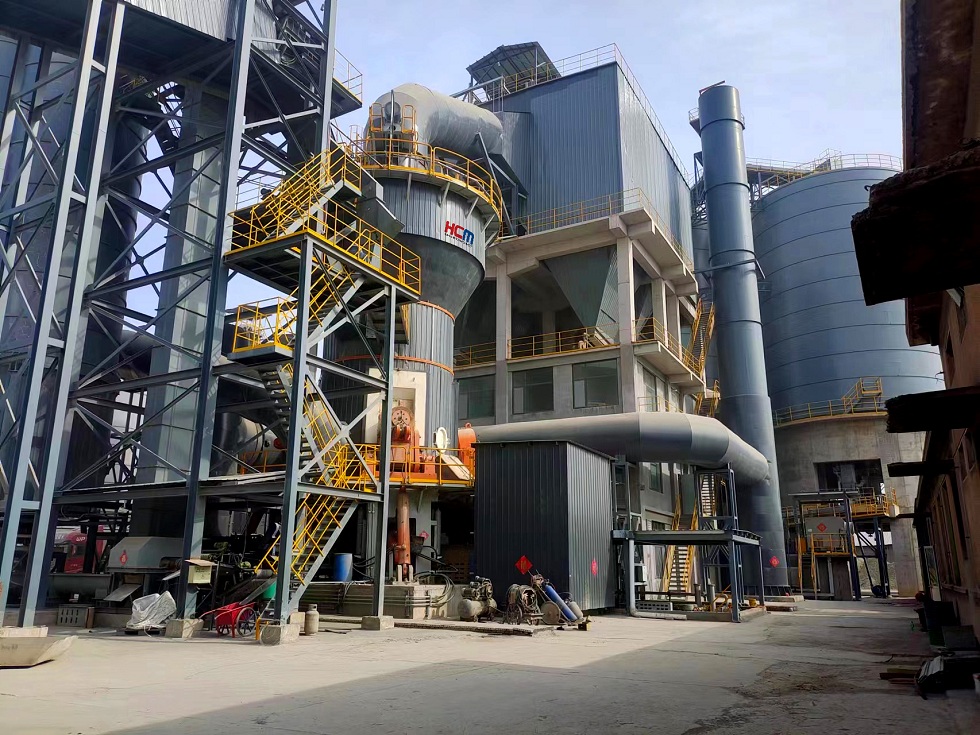
HCM large cement vertical mill-HLM3400
4-1. Raw Material Reception and Preliminary Processing • Slag: After unloading, the slag undergoes crushing and screening to remove large debris.
Titanium gypsum and phosphogypsum: Dehydration through natural stacking or mechanical methods to reduce moisture content to a treatable range.
4-2. Raw materials and solid waste are stored separately in dedicated warehouses or storage sheds.
Employ a closed or semi-enclosed structure to minimize dust and rainwater exposure.
4-3. Ingredients and Measurement: The central control system measures raw materials or blended materials according to the specified ratio.Control the addition amount of each material to ensure stable cement quality.
4-4. Pre-treatment before grinding (material-specific) • Slag: After being re-crushed to the appropriate particle size, it is fed into the mill.
Titanium gypsum and phosphogypsum: When necessary, dry them to ensure moisture content meets mill requirements.
4-5.HCM pulverizer grinding: The material enters the mill and is crushed into powder through the compression and grinding action of the roller and grinding plate.
Drying can be performed simultaneously during the grinding process (e.g., using hot air).
The material is graded by the classifier, and the coarse powder is returned to the mill for further grinding.
4-6. Finished product collection and storage: Qualified fine powder is collected by the dust collector and transferred to the finished product warehouse.
Slag micro-powder can be directly used as a mixing material in cement production;,Titanium gypsum and phosphogypsum can be utilized as retarders or raw materials for cement.
4-7. Conveying and Application: The finished product is transported via air conveying inclined chute or hoist to the batching system.
Proportionally blended with cement clinker, either jointly ground or separately ground and mixed to ultimately form cement products.
4-8. Environmental Protection: The entire system is equipped with dust collection devices to ensure dust emissions meet standards.
The dried exhaust gas is treated before discharge, meeting environmental protection standards.
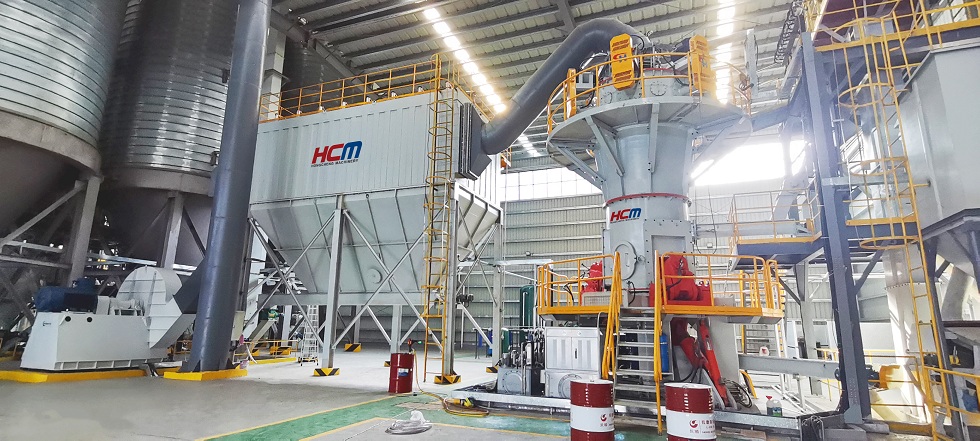
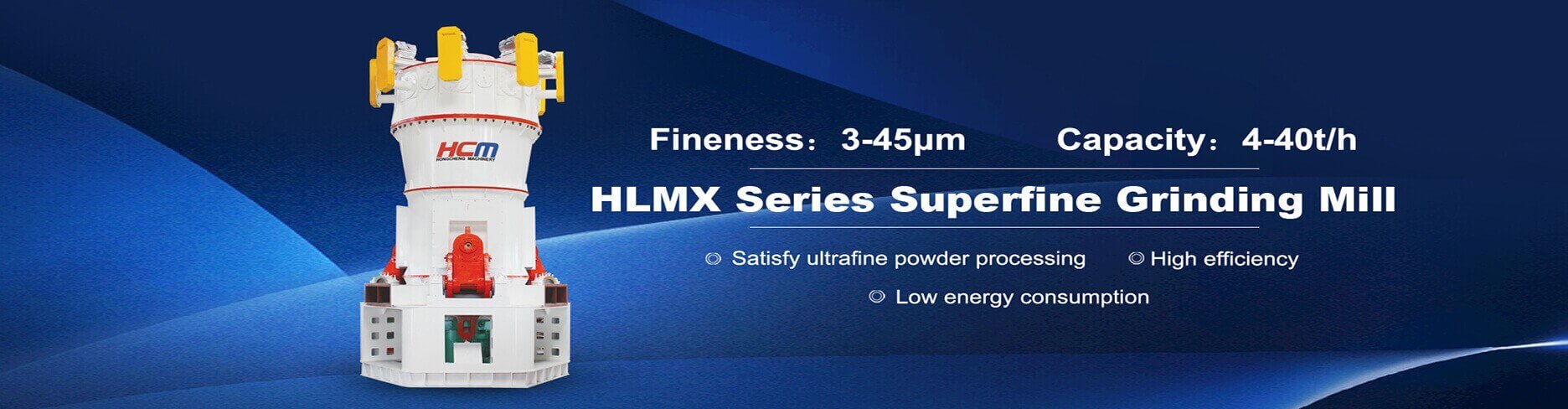
HCM Large Cement Ultrafine Vertical Mill-HLMX1300
Driven by the EU's Carbon Border Adjustment Mechanism (CBAM) and green building certifications like LEED, the growing demand for low-carbon cement has prompted cement manufacturers nationwide to increase solid waste incorporation rates. From 2024 to 2025, industry leaders such as Conch, Jidong, and Hongshi cement will dominate the co-processing and high-value solid waste utilization market, leveraging their technological and scale advantages. International players like LafargeHolcim and HeidelbergCement lead in alternative fuels and co-processing technologies, while domestic firms accelerate technology adoption and independent R&D. In 2026, the International Organization for Standardization (ISO) will release solid waste application standards. The global cement industry is projected to process 750-820 million tons of various solid wastes (e.g., slag, steel slag, fly ash, desulfurization gypsum, phosphogypsum) in 2026, representing a 10%-12% year-on-year increase. Specifically, demand for slag micro-powder is estimated at 720-750 million tons, while industrial by-product gypsum (including titanium gypsum and phosphogypsum) is expected to reach 180-200 million tons.
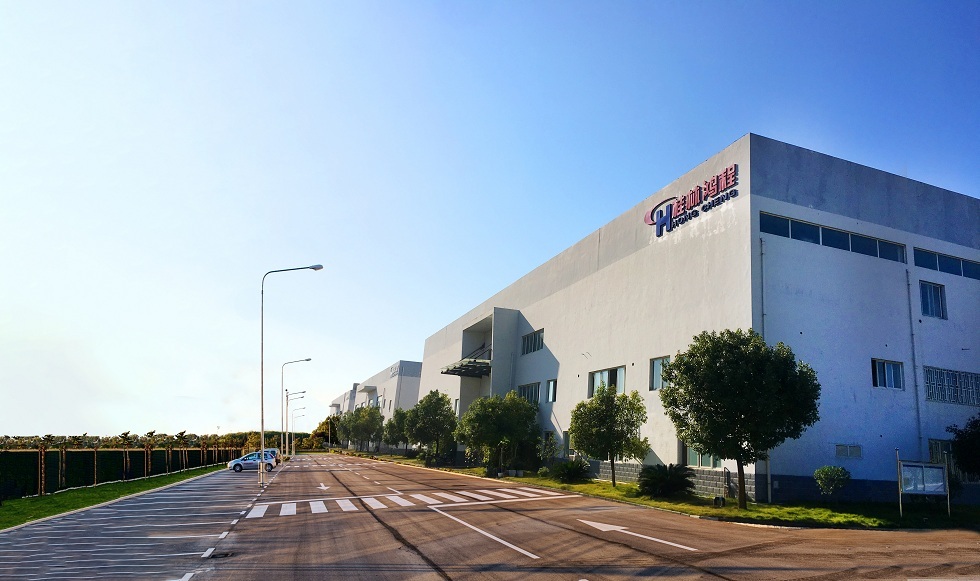
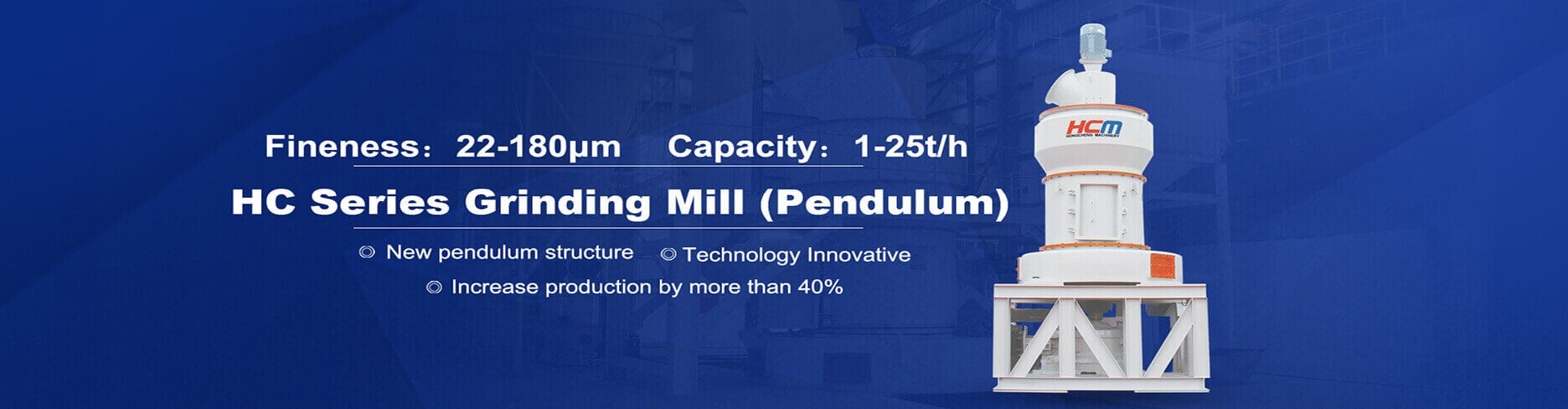
HCM grinding mills have become a game-changer in cement plant solid waste utilization, delivering five core advantages: high efficiency, energy savings, premium product quality, strong adaptability, and cost-effective operation. These mills are key to boosting waste utilization rates, cutting costs, and reducing carbon emissions, especially for large-scale processing of industrial waste like slag, steel slag, fly ash, desulfurization gypsum, and phosphogypsum. With over 30 years of expertise, HCM manufactures cutting-edge equipment including HC series Raymond mills, HLM vertical mills, HLMX ultra-fine vertical mills, and HCH ring roller mills. Through technological innovation, these mills can grind cement plant waste into fine powder (80-3000 mesh) using dry methods, solving industry pain points like "high energy consumption, poor product quality, limited adaptability, and expensive maintenance." This transformation helps cement plants shift from "cost centers" to "profit centers" in waste resource utilization, while supporting carbon reduction and green production – aligning with the industry's pursuit of high-quality development. For technical consultations on HCM's dedicated waste grinding systems, technical specifications, or customized pricing solutions, contact us today.
contacts:Engineer Yao,e-mail:[email protected], Wechat:18878317068
