


Coal mills are essential equipment in thermal power plants, cement factories, and metallurgical industries, responsible for grinding raw coal into fine powder to meet combustion and production needs. However, coal mill clogging is a common fault that plagues production efficiency, increases maintenance costs, and even poses potential safety hazards. As a professional Chinese coal mill manufacturer, we have rich experience in solving coal mill operation problems. This article will detail the common phenomena, causes, and scientific treatment methods of coal mill clogging, and recommend the high-performance HCM coal mill to help enterprises avoid clogging troubles and improve production stability.
1.Common Phenomena of Coal Mill Clogging
Coal mill clogging can be quickly identified through changes in operating parameters and equipment performance. The main phenomena are as follows, which are also hot search keywords on Google for coal mill faults:
• Increased motor current: When the coal mill is clogged, the internal material accumulates, increasing the load of the grinding components, which directly leads to a significant rise in the motor current, usually exceeding the normal operating range by 15%-30%.
• Abnormal pressure difference between inlet and outlet: The clogging of materials blocks the internal ventilation and material flow channels, resulting in a sharp increase in the pressure difference between the inlet and outlet of the coal mill. Generally, when the pressure difference exceeds 1.2 times the normal value, it indicates that clogging may have occurred.
• Decreased outlet temperature: The accumulated coal in the mill cannot be fully contacted with hot air, and the heat exchange efficiency decreases, leading to a continuous drop in the outlet temperature of the coal mill. For bituminous coal, the outlet temperature may drop below 60℃, which is a typical sign of clogging.
• Dull operation sound: The normal operation of the coal mill produces a uniform and stable grinding sound. When clogged, the sound becomes dull, accompanied by obvious vibration, which is caused by uneven material distribution and increased friction inside the mill.
• Reduced output and poor powder quality: Clogging leads to insufficient grinding space and poor material circulation, resulting in a significant decrease in the output of the coal mill, and the fineness of the pulverized coal fails to meet the production requirements, with more coarse powder and uneven particle size.
2.Main Causes of Coal Mill Clogging
To effectively solve the problem of coal mill clogging, it is necessary to first clarify its causes. Combined with on-site operation experience, the main causes are divided into four categories, which are also key points concerned by industrial users searching for coal mill maintenance on Google:
2-1. Unqualified Raw Coal Quality
Excessively high moisture content of raw coal (more than 15% for bituminous coal) is the most common cause. The high-moisture coal is easy to adhere to the liner, grinding rollers, and separator inner wall of the coal mill, forming a viscous coal slime layer, which blocks the grinding gap and ventilation channel. In addition, raw coal with poor grindability (HGI < 50) or excessive impurities (such as iron blocks, gangue, and wood blocks) will also lead to difficulty in grinding or blockage of the material flow channel, triggering clogging.
2-2. Improper Operation and Control
Unstable coal feeding amount, sudden increase in feeding speed exceeding the designed output of the coal mill, and imbalance between air volume and coal volume are important factors causing clogging. For example, if the coal feeding amount is suddenly increased from 50t/h to 80t/h when the designed output of the coal mill is 60t/h, the grinding and ventilation capacity cannot keep up, resulting in rapid material accumulation. In addition, improper start-stop operation, such as feeding coal directly without preheating the mill with hot air, or stopping the fan first and then reducing coal during shutdown, will also lead to residual material clogging.
2-3. Equipment Failure or Wear
Excessive wear of grinding components (such as roller sleeves and liners) increases the grinding gap, resulting in insufficient grinding of raw coal and a large increase in the proportion of coarse powder. These coarse powders cannot pass through the separator and flow back to the mill in large quantities, forming a vicious circle of accumulation and clogging. In addition, the blockage or low efficiency of the separator, insufficient air supply of the fan, and blockage of the air duct will also affect the normal circulation of materials and cause clogging.
2-4. Unreasonable System Design
The unreasonable design of the coal feeding pipe and powder return pipe, such as the inclination angle of the coal feeding pipe being less than 60° (the angle of repose of raw coal is about 55°), or the diameter of the powder return pipe being too small, will easily lead to "bridging" of raw coal or coarse powder in the pipe, cutting off the material flow and causing upstream clogging. The lack of online monitoring instruments (such as current, pressure difference, and temperature monitors) also makes it impossible to find the precursor of clogging in time.
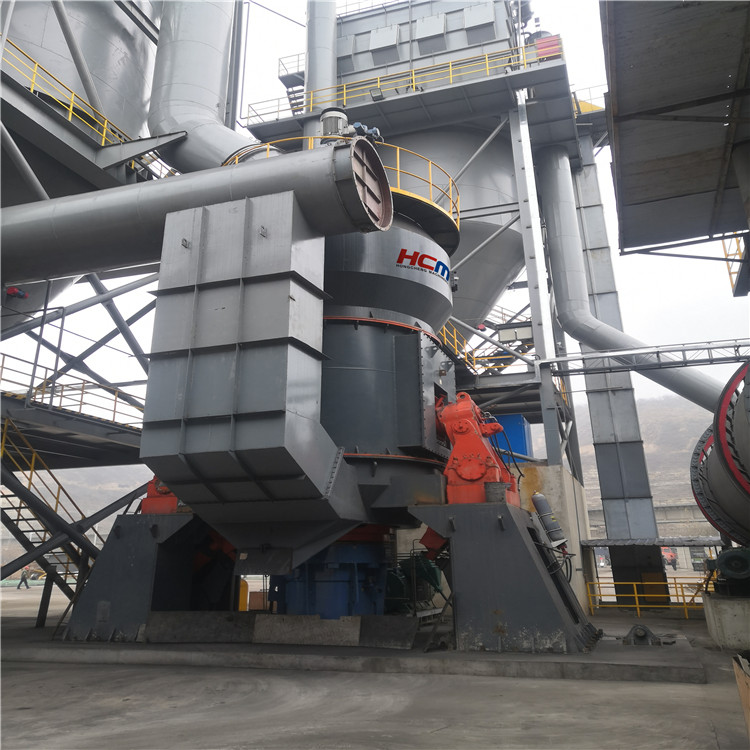
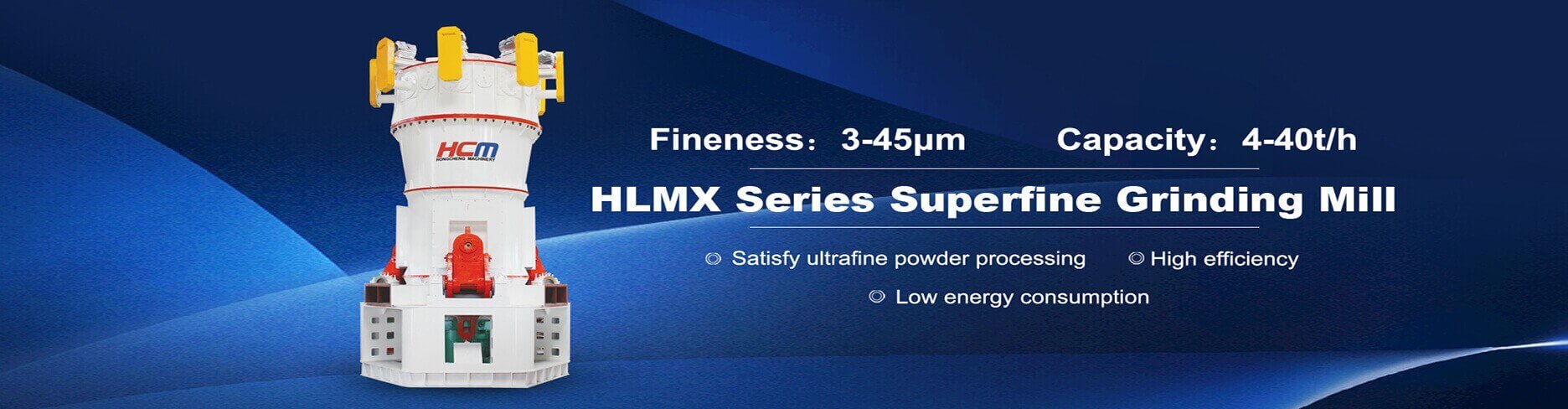
The HCvertical coal mill processes coal into 200-mesh pulverized coal with a production capacity of approximately 40 tons per hour.
3.Scientific Treatment Methods for Coal Mill Clogging
Once coal mill clogging is found, it is necessary to take targeted treatment measures according to the severity of the clogging to avoid expanding the fault. The following are standardized treatment steps, which are applicable to various types of coal mills, including vertical coal mills, raymond coal mills, and HCM coal mills:
3-1. Emergency Treatment for Mild Clogging
When the clogging is mild (the current and pressure difference slightly exceed the normal value, and the outlet temperature drops slightly), first reduce the coal feeding amount by 30%-50%, increase the primary air volume appropriately, and raise the outlet temperature of the coal mill to 70-80℃ to accelerate the drying of materials and promote the flow of pulverized coal. At the same time, increase the frequency of stone coal discharge to remove impurities and accumulated materials in time. During the treatment process, closely monitor the operating parameters to ensure that the current and pressure difference gradually return to normal.
3-2. Treatment for Moderate to Severe Clogging
If the clogging is serious (the current is too high, the pressure difference is more than 1.5 times the normal value, and the output drops sharply), stop the coal feeder immediately, keep the fan running, and use hot air to blow through the mill to dry and discharge the accumulated materials. For the clogging of the coal feeding pipe and powder return pipe, use a hammer to gently knock the pipe wall (avoid damaging the equipment) to break the "bridge" of materials. If the internal clogging of the mill is serious, it is necessary to stop the machine for inspection, open the manhole cover, and manually clean up the accumulated materials and coal slime, and check the wear of the grinding components by the way.
2-3. Post-Treatment Inspection and Adjustment
After the clogging is solved, check the raw coal quality (moisture, impurity content, grindability) and adjust the coal feeding amount and air volume to ensure that the air-coal ratio is balanced. Inspect the grinding components, separator, and air duct, replace the severely worn parts, and clean up the ash and accumulated materials in the air duct and separator to avoid secondary clogging. At the same time, optimize the start-stop and operation procedures to standardize the operation behavior of the staff.
.jpg "Vertical coal mill")
How to Prevent Coal Mill Clogging? Choose HCM Coal Mill from Chinese Coal Mill Manufacturer
Prevention is better than cure. Choosing a high-quality coal mill and adopting scientific operation and maintenance methods can fundamentally reduce the occurrence of clogging. As a professionalChinese coal mill manufacturer, Guilin Hongcheng has focused on the research and development of coal grinding equipment for many years, and its HCM coal mill has obvious advantages in anti-clogging and stable operation, which is deeply trusted by global customers.
The HCM coal mill adopts advanced grinding technology and structural design, which effectively solves the problem of easy clogging of traditional coal mills: first, the optimized grinding chamber structure and uniform air distribution design ensure sufficient contact between materials and hot air, reduce the adhesion of wet coal, and improve the drying and grinding efficiency; second, the high-precision separator can effectively separate coarse powder, avoid the backflow and accumulation of coarse powder, and reduce clogging risks; third, the wear-resistant grinding components have a long service life, ensuring stable grinding gap and avoiding insufficient grinding caused by wear. In addition, the HCM coal mill is equipped with an intelligent monitoring system, which can real-time monitor parameters such as current, pressure difference, and temperature, and send an alarm in time when there is a clogging precursor, providing a guarantee for safe and stable operation.
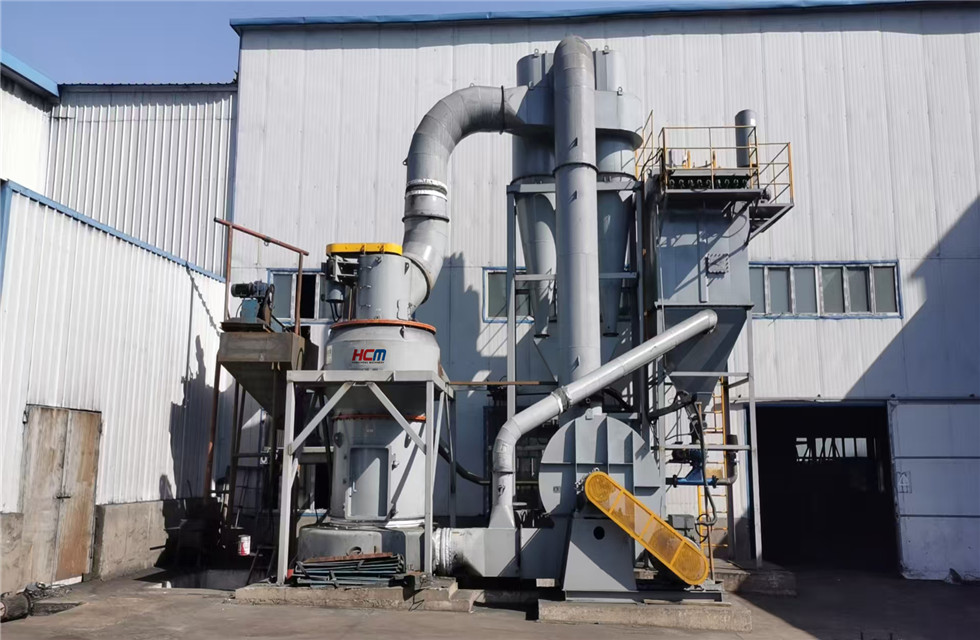
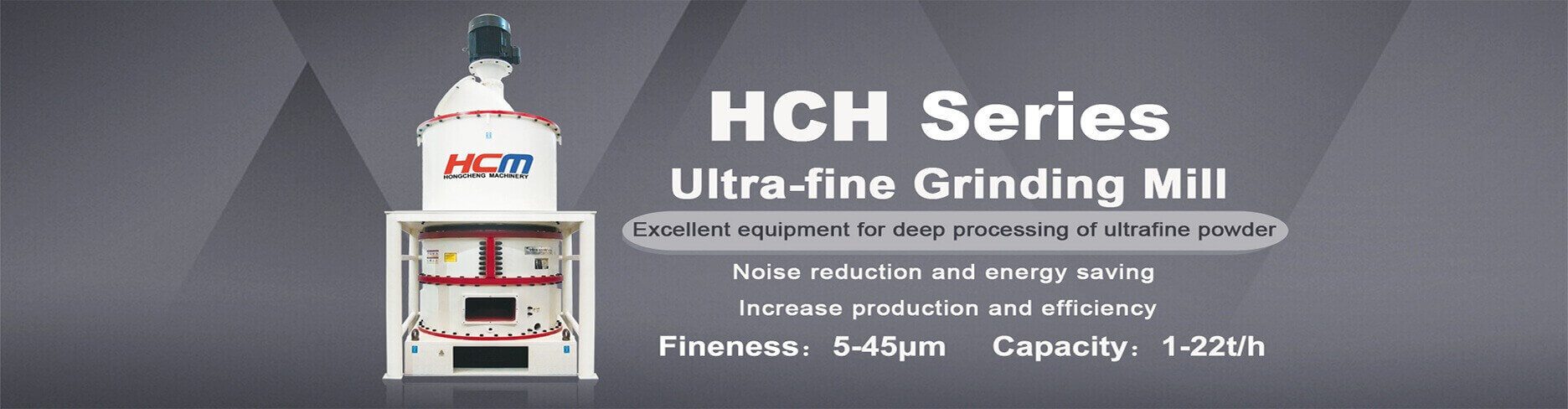
The output of HCM Raymond mill is approximately 5 tons when the coal fineness reaches 325 mesh.
In addition to choosing high-quality equipment, strengthening the control of raw coal quality, standardizing operation procedures, and regular maintenance are also key to preventing coal mill clogging. For enterprises that need to replace or purchase coal mills, choosing a reliable Chinese coal mill manufacturer and high-performance HCM coal mill can not only reduce clogging troubles but also improve production efficiency and reduce maintenance costs.
