


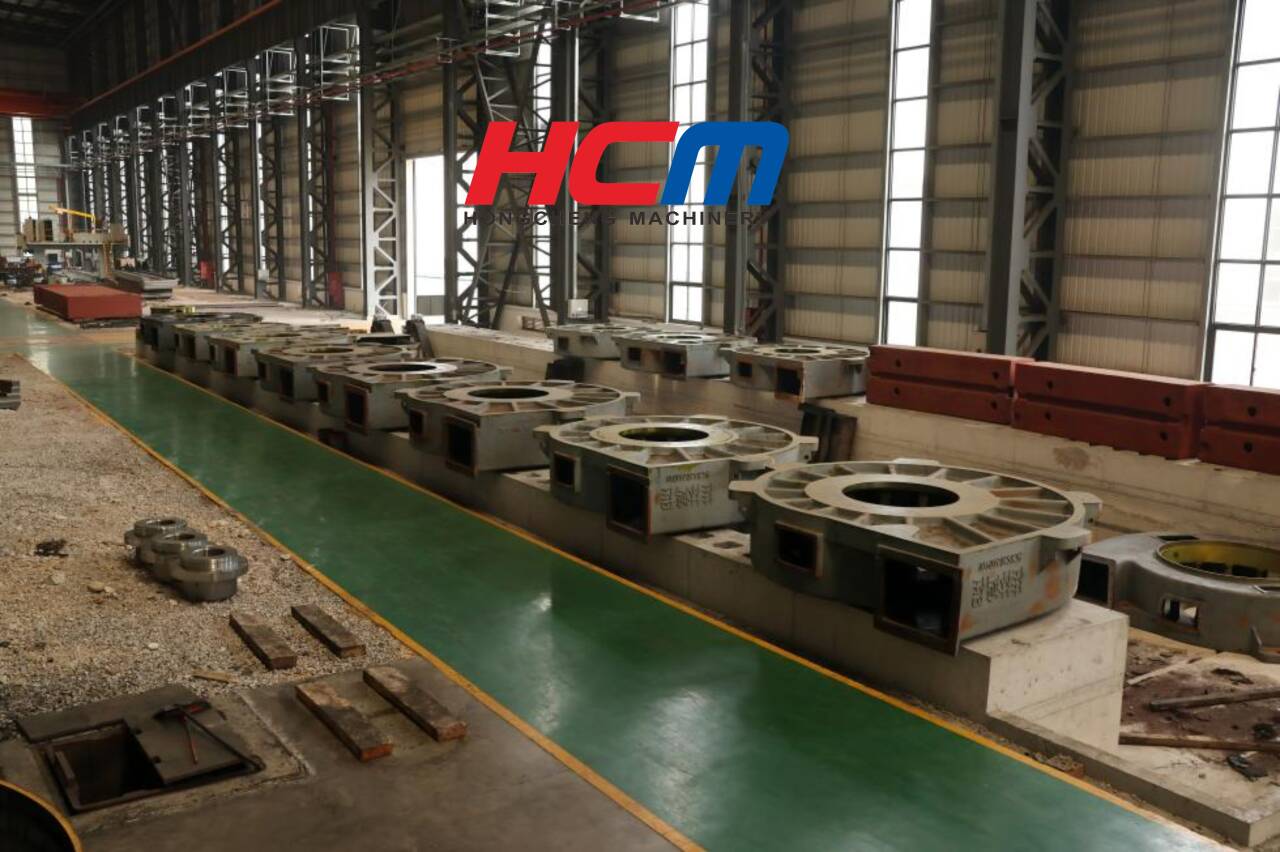
HCM Raymond Mill Factory manufactures Raymond Mill bases in two variants: split-type and integral-type. These bases serve as the structural foundation supporting core components including the main unit, motor, and transmission system. Their design and manufacturing processes directly determine the equipment's operational performance, with the most common types being these two categories.
1. What are the types of Raymond mill bases?
01.Raymond mill split base:
The split-type base is a composite structure made of multiple steel plates or castings, assembled through cutting, welding, or bolted connections. During production, individual components are first processed and then assembled on-site, making it suitable for small Raymond mills. The structure is relatively simple, with a low processing threshold.
02. Integrated base for the Raymond mill:
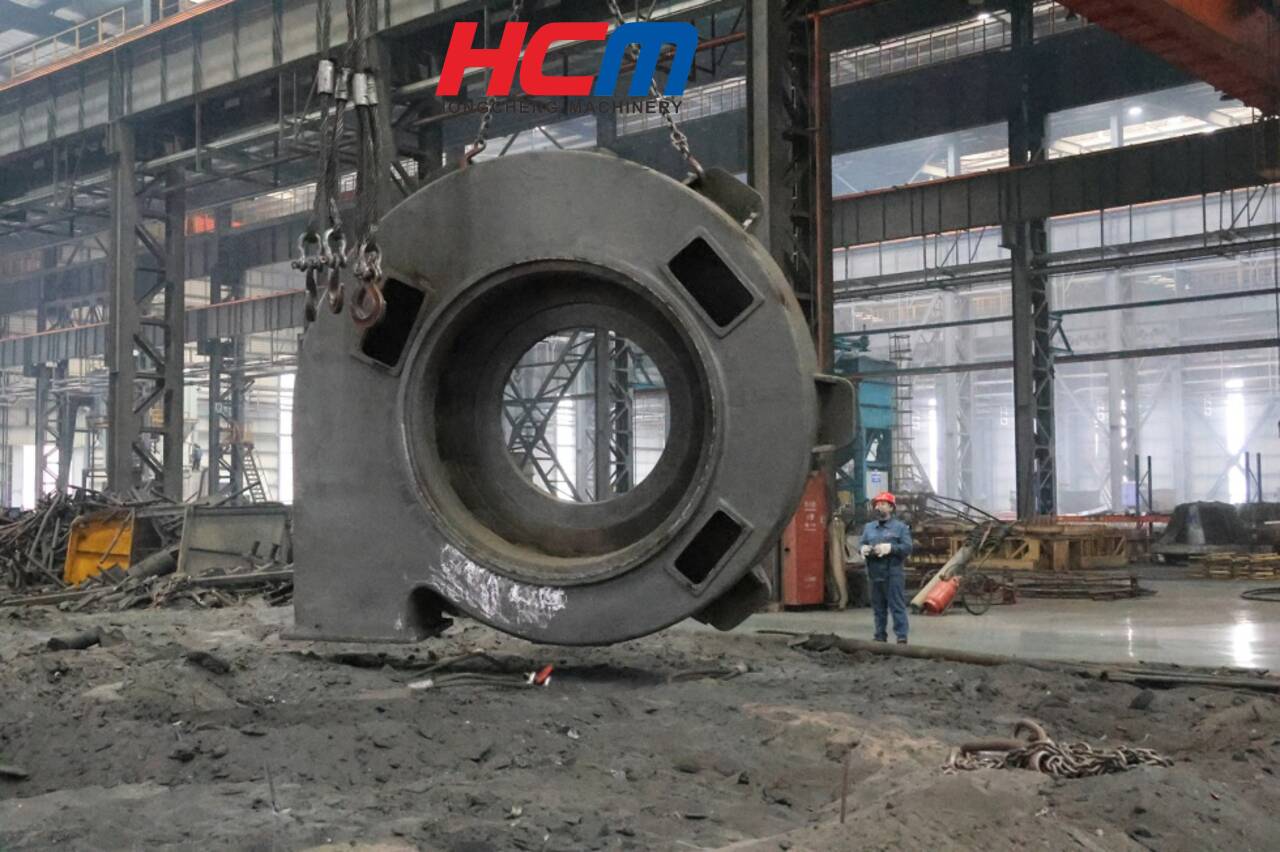
The monolithic base is fabricated through integrated casting or forging, then precision-milled into a seamless structure. All mounting holes and bracket interfaces are pre-calibrated before shipment, eliminating on-site reassembly. Designed to address the pain points of split-base systems, this solution is specifically optimized for medium-to-large Raymond mills.
2.Factors Affecting the Service Life of Raymond Mill: The Core Role of the Base
Among the factors affecting the service life of Raymond mills, the stability and uniformity of force distribution in the base are critical. During operation, the high-speed grinding between the grinding rollers and rings generates significant vibrations and impact forces. If the base fails to effectively distribute the load, it may lead to:
01. Core components (grinding rollers, rings, bearings, and motors) experience accelerated wear from prolonged resonance, resulting in a 30%-50% reduction in service life.
02. Loose joints and weld cracks cause equipment failures and downtime, increasing maintenance costs.
03. Cumulative installation precision deviations cause operational deviations in the entire machine, further accelerating component wear.
Therefore, choosing the right Raymond mill base is crucial to prolong the equipment's service life and ensure the continuous operation of the Raymond mill.
3. Differences and advantages of split-type base and integral-type base:
The two have essential differences in structural design, process and usage effect. The specific differences and advantages are as follows:
Advantages of the integrated base:
1-1. Advantages of the monolithic base:
01. Structural process: integrated casting and forging, precision machining, no joints
02. Stability: Uniform force distribution across the entire surface, enhanced rigidity, and vibration amplitude reduced by over 60%, ensuring rock-solid operation.
03. Core component protection: Effectively buffers vibrations, reducing wear rates by approximately 40% and extending service life by about 30%.
04. Installation efficiency: One-time lifting completes the task in 1-2 days with 3-5 workers, cutting the installation cycle by 50%
05. Maintenance cost: No splicing components, requiring only 1-2 annual maintenance checks, saving 60% in maintenance costs
06. Applicable scenarios: Medium to large Raymond mills (10-100 tons/hour), high-load continuous production systems
07. Failure rate: relatively high (15%-20% annually), with common issues including loose splicing and weld cracking
4.Market share ratio of split bases versus integral bases
As Raymond mills transition to large-scale and continuous production, the market demand for equipment stability and durability has increased, resulting in a clear divergence in the market share of the two types of bases:
01. Monolithic base: Its market share has been steadily increasing in recent years, now accounting for 65%-70%. In medium-to-large Raymond mills (with an annual output exceeding 10 tons), over 90% of units utilize this design. Particularly in large-scale powder processing projects for limestone, coal, and non-metallic minerals, it has become the industry standard.
02.Split-type bases account for approximately 30%-35% of market demand, primarily used in small Raymond mills (under 5 tons/hour), laboratory equipment, or intermittent production scenarios. Due to limitations in stability and durability, their adoption in medium-to-large projects has been declining annually, with only a few small enterprises with limited budgets still opting for them.
This shift in proportion reflects companies 'evaluation of' long-term comprehensive costs' — while the integrated base requires higher upfront investment, it reduces downtime losses, lowers maintenance expenses, and extends equipment lifespan, making it more cost-effective in the long run.
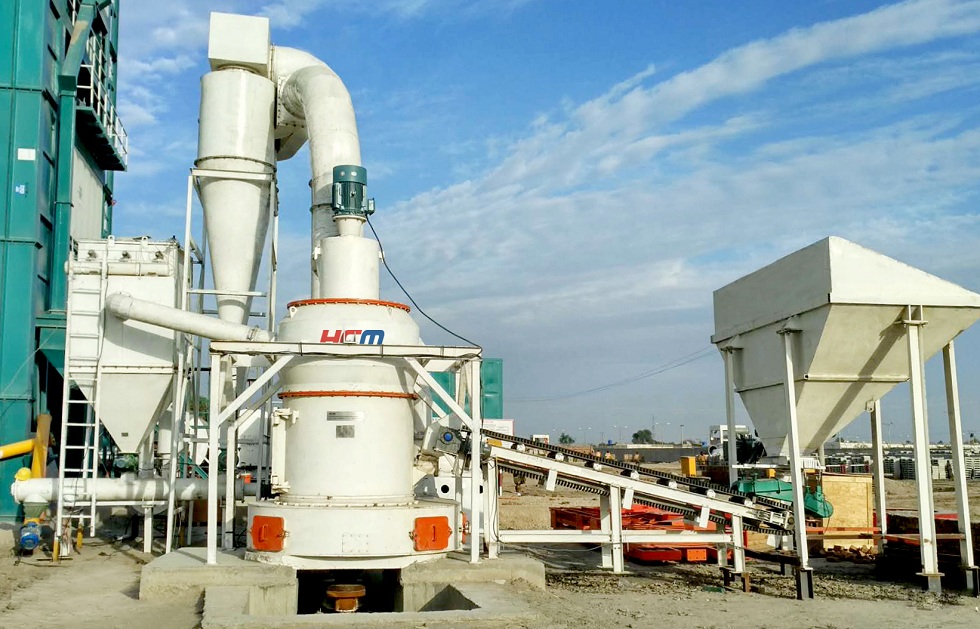
Multiple factors determine the service life of Raymond mills, with the base serving as the core foundation. For enterprises pursuing large-scale and continuous production, monolithic bases are recommended as they provide enhanced stability and durability, effectively reducing overall costs while ensuring production capacity. In contrast, split-type bases may be the preferred choice for small-scale intermittent operations or projects with limited budgets, though they require more frequent maintenance.
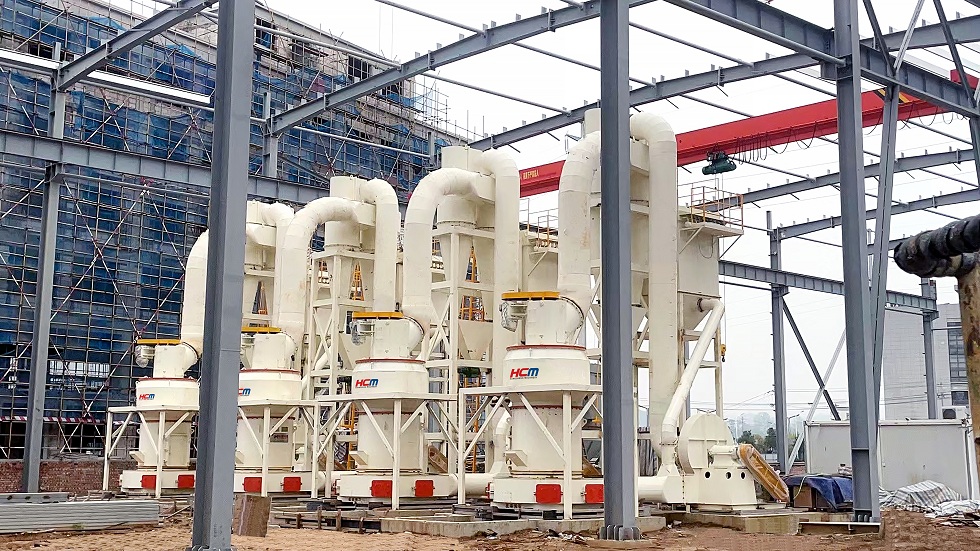
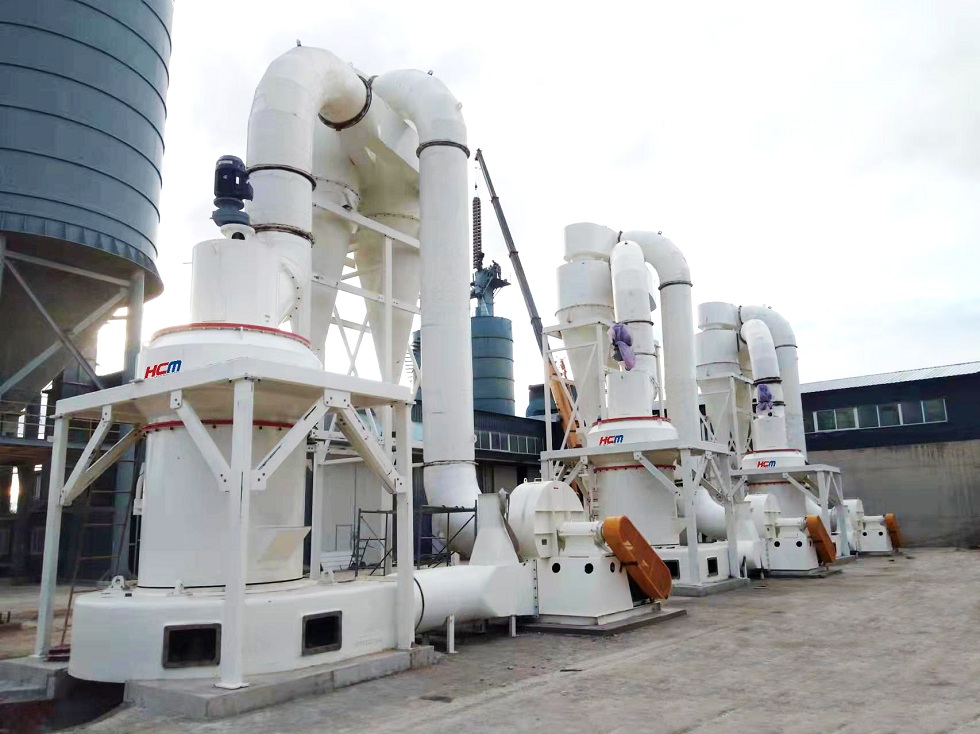
The selection of the base in Raymond mill production directly impacts a company's long-term profitability. The HC series Raymond mill, an innovative high-efficiency grinding system developed through independent R&D, builds upon traditional Raymond mills. Hongcheng Raymond mills feature an integrated cast base with seamless joints, delivering over 40% greater rigidity than split-type designs. This robust base can withstand the operational pressure of kiloton-scale main units (compatible with Φ1750-Φ3200 large Raymond mills). The base's full-contact surface with the ground, combined with precision-machined mounting planes, effectively dissipates high-speed vibrations generated by the main unit across the entire base. This design reduces vibration amplitude by approximately 60% compared to split-type systems, providing enhanced protection for critical components like grinding rollers, rings, and motors while minimizing wear caused by vibrations.
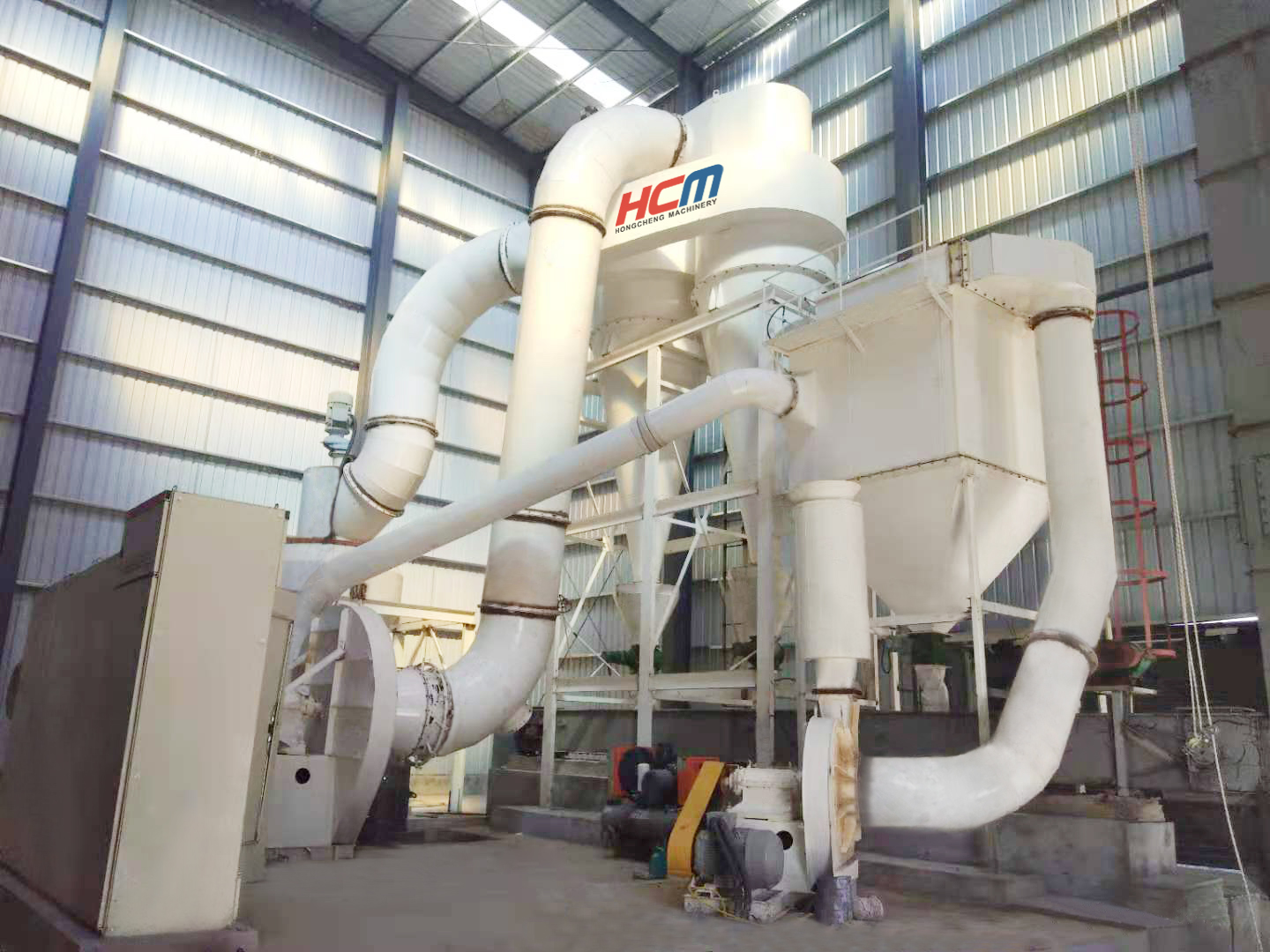
HCM Raymond Mill Factory The integrated base design delivers exceptional Raymond vibration control and enhanced stability. This innovation reduces installation time by approximately 50%, slashes labor costs, and improves durability with a 30%+ service life extension. The system also minimizes maintenance expenses and downtime losses. For equipment configuration and pricing solutions for Guilin Hongcheng Raymond Milling Machine mineral powder production lines, please contact us.Welcome to our consultation,contact way, contact information:e-mail:[email protected], WeChat: 18878317068
